

You cannot come to Kenya and not take a Matatu,”
You cannot come to Kenya and not take a Matatu,” Ojanji declared, laughing her most cynical laughter, the kind that made you feel both insulted and entertained at the same time.
We had earlier agreed to take a Bolt to Kuzi, the plant shop in Karen. But the “master planner” my high-school friend and professional last-minute schemer, Ojanji had other ideas.
The weather that Saturday morning was the most beautiful we had seen in Nairobi after days of rain that fell endlessly like brown-sugarless-millet-
Back in O’level, I could never understand how someone could excel at complex things like Physics but struggle to cram small small things like Portuguese explorers and stalagmites, topics I found so easy. Ojanji could titrate complex chemistry mixtures and solve quadratic equations, yet pronounce names with a Swahili panache; Kah-nto-noh, Nah-sereh-Koh even after we had spent 4 years in Pink East.
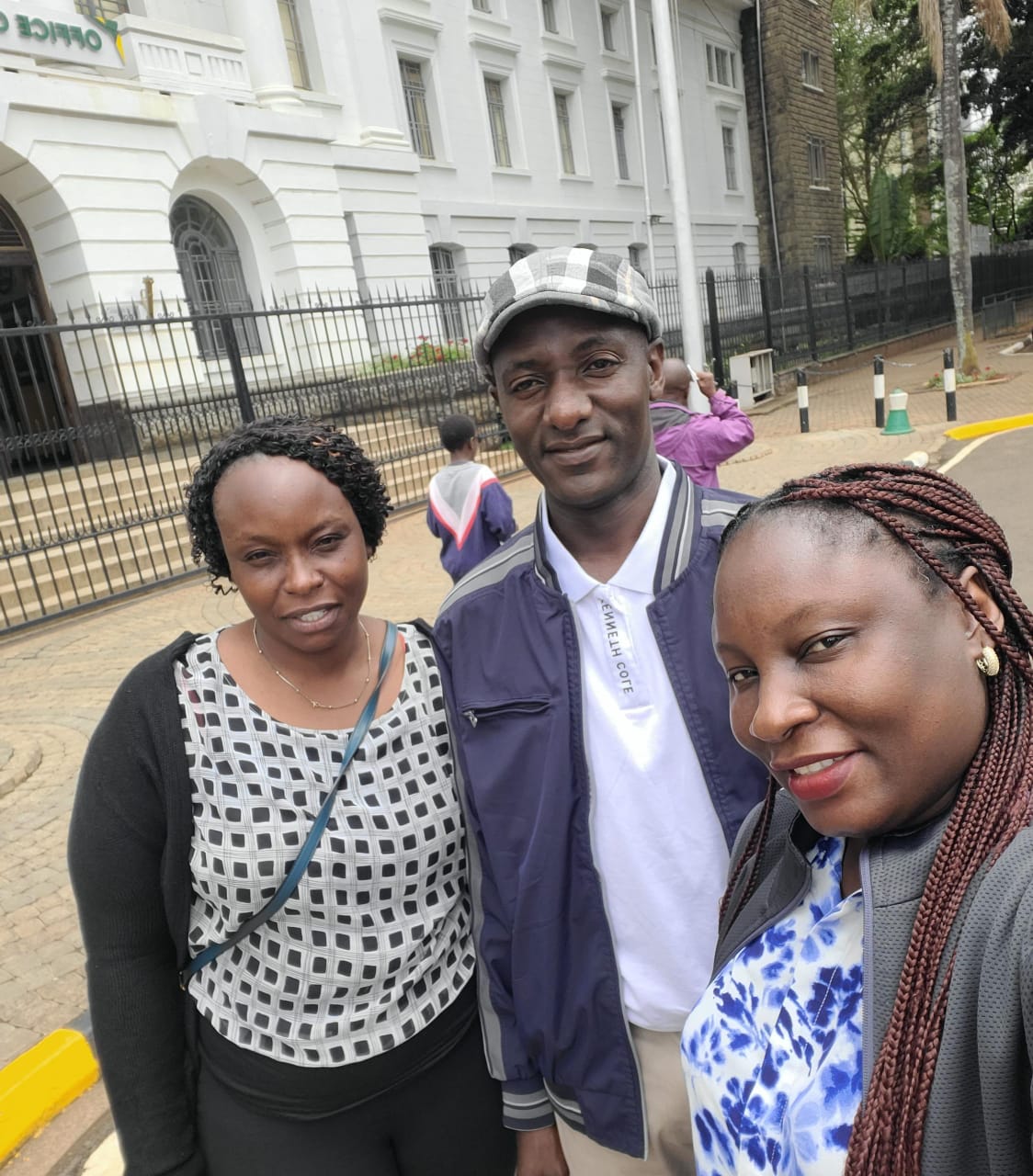
Walking with Ojanji and Steve my love after fori (we graduated from thari) through Nairobi’s “Sibidi” (as Kenyans fondly call their CBD) was pure joy. Ojanji’s descriptions of the Sibidi’s ancient buildings were vivid like the history lessons she once detested. Right from S.1, it was eminent that Ojanji would become a scientist.
At the Basilica, also her church, she narrated the Gen Z protest dramatizing events the way history teachers retold the Mau Mau rebellion as if they themselves had taken part.
Do not shoot!
This is the house of God!
Please forgive them!”
She flung her hands in the air, imitating priests pleading with soldiers not to fire at young protesters who had taken refuge in the house of God, the Basilica.
Meeting Kofi Anan
“Kantono, we need to find Kofi Anan.”
Not the Kofi Annan of the United Nations. No, this was Kofi Annan, the street photographer of Nairobi who wore his hair in shabby dreadlocks.
The day before, Ojanji had promised to support his hustle by taking street photos. But the night caught up with us, and her promise hung in the air like that unfinished homework she waited to complete when Thelma our class monitress was collecting books. Now, hounded by her word, she was combing Nairobi’s streets as if Kofi were hiding inside the camera lenses.
“Have you seen Kofi Anan?” she asked random photographers, desperation creeping into her voice.
Finally, we found him, across the street, camera in hand, dreadlocks peeking out from under his black cap. I could see from his shy smile that Kofi was feeling very proud of himself. Word must have gotten to him that tourists were looking for him.
He directed us like a film director on set:
“Stand like this.”
“Hold her hand.”
“Walk towards me.”
“Walk like a boss!”
“The coast is clear,” Ojanji said and we burst out laughing, an old gal laughter. The cost is clear, the code we notoriously used for teenage mischief.
Kofi clicked away, kakya kakya, his camera speaking the words that evaded his lips. By the time he was done, we had Nairobi frozen in frames, our laughter, our walk, our friendship.
If you are ever in Nairobi’s Sibidi, look for Kofi Anan, the photographer. Help him build his own version of the General Assembly of Nairobi street photography.
“Does friendship ever die Kantono? I have not seen you in years but see how happy we are” Ojanji said fondly. I had looked desperately for Ojanji because we separated unceremoniously. She went home for what seemed like a short visit and never returned. We had no home phones then and I only vaguely remembered tales of her hometown in Kenya. Where in Longata did she live? Where were her people? In 2020, I searched facebook as I had many times before until the lock down when her name appeared “Ojanji Christine”. I was thrilled and the rest as they say is good history. Alot has changed. Ojanji is now a mother of 2. She works in her home country, Kenya. Surprisingly, she still speaks Luganda. Alot may have changed for both of us but friendship remains. The coast is still clear. Hahahaha.
The Bus Park
“Hold your bag tight. Hide your phone inside your bra.”
Those were Ojanji’s new marching orders as we approached the chaotic bus park. Business was booming everywhere. Hawkers vending everything from books, seives to snacks, touts shouting destinations, and the smell of roasted maize and chapati outcompeting exhaust fumes.
We jumped over puddles until we reached a brightly colored Matatu.

I clung to Steve for dear life as we followed Ojanji.
Is this the next one? She asked a guy in Kiswahili. Ojanji speaks English and Luganda graciously but when she switches to Kiswahili, she sounds like a rap artist. Pa ta pa ta, naku change mind, tafadhali.
The guy signaled us to enter the Matatu. We squeezed into the back row: Steve by the window, tilting his long legs, me in the middle, my hips squashed between Steve and Ojanji the mastermind.
How did we end up in the bus park when we were looking for bolt? I was partly disappointed in myself for not seeing through her monkey tricks.
Kantono… Kantono…” she mocked, her eyes folding into laughter. “This is much better, sindiyo? You cannot come to Khee-ñya and not take a Maa-taa-tu!”
Ojanji laughed the way she laughed many times at Mr.Mwesigye our Deputy Head teacher. He was very gullible and fell for all the tricks in the book.
Why are you late, yanga lede?” he would ask.
“My period came, sir,” we would say solemnly. (A period that came almost weekly.)
He would smile kindly and wave us off, unaware he had just been promoted to Ojanji’s alarm clock. While the early birds rose like Kyomsa, Julie, Rachel, Nairuba, Ojanji stayed in bed reading novels until Mr. Mwesigye came to dorm holding a long stick. Only then did Ojanji rise and made a mad dash to the bathroom.
Her motto was simple: no pressure, no action. One day she devised a plan:
“Let’s walk stealthily to the junction where Mr. Mwesigye stands guard. When we approach him, we turn towards the dorm. He will scold us to ‘go back to class’ which is exactly where we were going.”
The plan worked every single time and we always laughed. That same mischievous laughter from high school echoed now in the Matatu. The laughter of a woman who thrives on last-minute magic and high adrenaline. She must enjoy the pressure of deadlines.
How could I have fallen for tricks I had mastered for so many years? I sat there in silence watching passengers and reading quotes scribbled on the Matatu.
How long will it take for us to get Kuzi? Steve asked as if to ease the tension.
Finally, the driver started the engine when suddenly a young man walked into the Matatu. Squeeze squeeze, Ojanji instructed, her hips squashing mine like chapati dough. For a moment, I was breathing by osmosis through Steve who was lucky to have a window seat.
The conductor started collecting the fare almost immediately. Our journey was 80 Kshs each which Ojanji paid on Mpesa joyful. “See only 80 Bob compared to 800 in Bolt.”
Mathematics did not end with Mr. Ssemuju, the Maths teacher who used to pluck hair from scalps of students who failed Maths. She continues to navigate this world on equations and only makes choices if they are mathematically correct.
At the restaurant, I could see her doing mental maths until she made the declaration , today we shall have Mukimo and Ugali her favourite. Soda and chicken will be for Sunday. We laughed because we knew that she eats Maths first before she eats food.
The Matatu stopped along Ngong Road to pick more passengers even though it was already full. I was reminded of Namumira-Kyetume commuter taxis during my childhood. Farmers boarded with their children, animals and produce. Chicken, and ducks feasted on our legs while pigs snorted on the roof top of the taxis. The smell was a mixture of fermented food, roasted shanti hair, children’s vomit and underwashed armpits. Then we all had to get out so that someone at the back could alight.
Even though filled beyond capacity, this matatu to Karen was different from the ones of Githurai and Longata. Those ones have hilarious quotes (public enemy)and images of musicians printed allover them. The ones to Githurai blasted music so loud that I could hear my heart pounding.The Police did nothing to stop the loud music. You did what Kenyans call vumilia (to endure).
At last, the driver yelled, “Hardy!”
We jumped up because, as Ojanji warned, Matatus don’t wait. “We don’t have Uganda Nigina here,” she said. “You alight fast or you alight through the window!”
At Hardy the driver came to a brief stop and, we tumbled out laughing, we had made it out alive without breaking a bone.
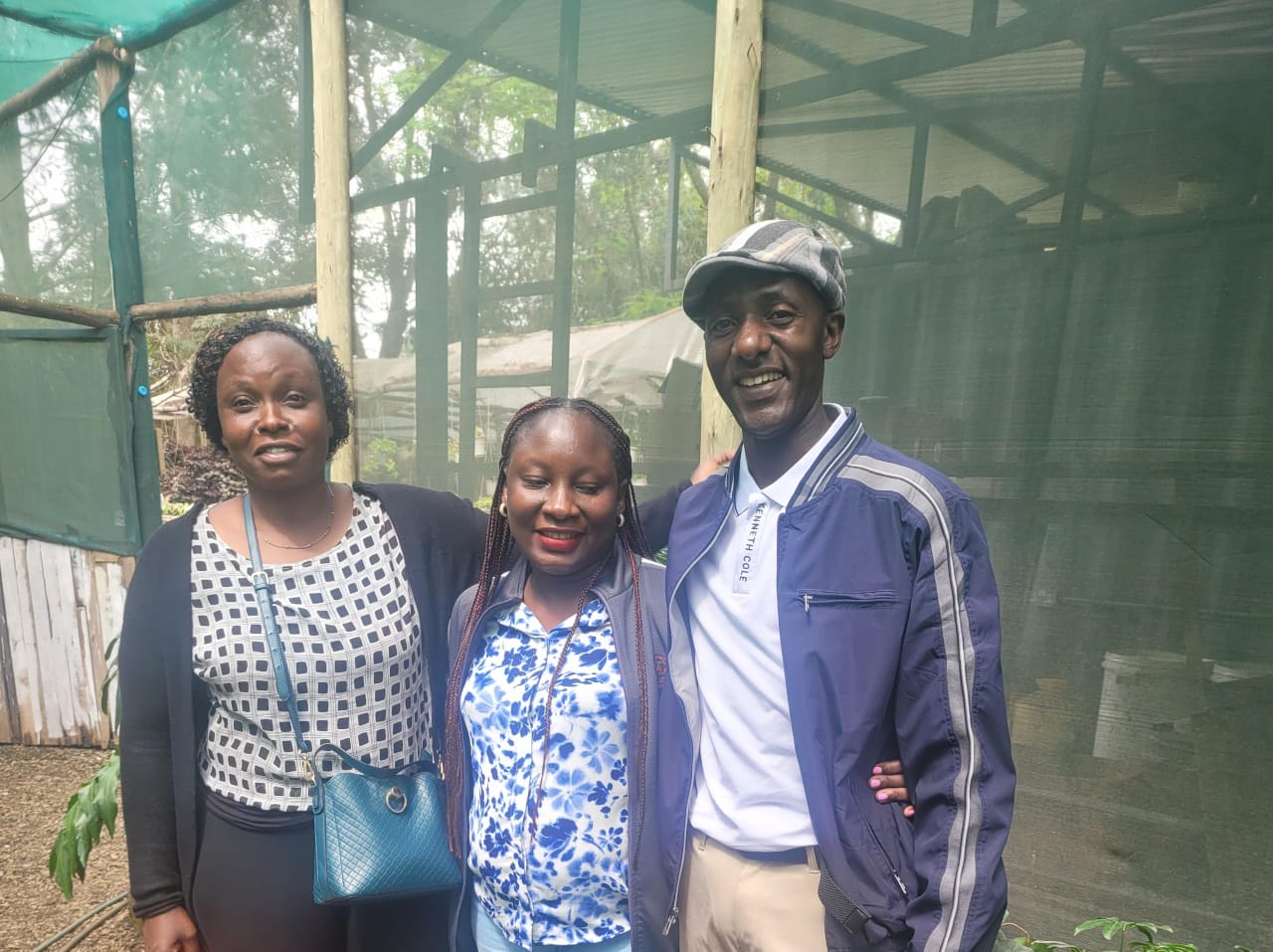
Finally, we were on our way to Kuzi, the plant and pottery paradise. The plant spirit was rising.

Words are my precious gift to you.
Thank you for being part of my story.
© 2026 Florence Katono . All Rights Reserved.